Back-to-School Special: Enjoy 20% OFF All Services This Month & Next!

Back-to-School Special: Enjoy 20% OFF All Services This Month & Next!

Back-to-School Special: Enjoy 20% OFF All Services This Month & Next!

Back-to-School Special: Enjoy 20% OFF All Services This Month & Next!

HOME / Rosacea Reduction

Laser Rosacea & Facial Redness Treatment in Airdrie

Get personalized facial redness laser treatment and reduce persistent redness with GentleMax Pro

Plus rosacea technology, as our services are designed to calm, refresh, and renew your skin health. Let Shey’s Laser experts help you with expert treatment and care.

What Is Rosacea?

Rosacea is a common, long-term skin condition that mainly affects the face. It often causes persistent redness, flushing, visible small blood vessels, and sometimes small red bumps or pus-filled spots. It commonly appears on the cheeks, nose, chin, and forehead.

Rosacea can come and go, with periods of improvement followed by flare-ups. Common triggers include sunlight, heat, spicy foods, alcohol, stress, and sudden changes in temperature.

Rosacea

What Is Rosacea Treatment?

Rosacea treatment is a combination of skincare, lifestyle changes, and medical therapies used to manage the redness, flushing, bumps, and other symptoms related to rosacea. While there is currently no permanent cure for rosacea, the right treatment can significantly reduce symptoms.

What Is Rosacea Treatment?
How Laser Treatment Targets Facial Redness?

How Laser Treatment Targets Facial Redness?

  • Laser treatment can be an effective option for reducing stubborn facial redness, and it is a visible blood vessel treatment related to rosacea. It works by using concentrated light energy to target blood vessels beneath the skin without treating the surrounding tissue.

  • The light is absorbed by the blood vessels, gently heating them and causing them to shrink or become less noticeable. As the skin heals, the appearance of redness and visible blood vessels may gradually improve.

  • Several light-based treatments can be used for facial redness, including pulsed-dye laser (PDL), Nd: YAG laser, and intense pulsed light (IPL). The best option depends on factors such as your skin type, the severity of your redness, and whether visible blood vessels are present.
What Types of Redness Can Be Treated

What Types of Redness Can Be Treated?

The treatment can help reduce certain types of facial redness caused by visible or enlarged blood vessels under the skin. It is commonly used to treat stubborn skin redness, facial flushing, and small apparent blood vessels, particularly around the cheeks, nose, and chin.

For people with rosacea, vascular laser treatment may be especially helpful when redness remains even when there is no active flare-up. It can also target telangiectasia, which are small, noticeable blood vessels that may appear as fine red lines on the skin.

However, laser treatment is not suitable for every type of redness. Redness caused by active inflammation, irritation, acne, or another skin condition may require a different approach. A qualified dermatologist or laser specialist at Shey’s Laser & Esthetics can assess and recommend the most appropriate treatment.

GentleMax Pro Plus for Rosacea Treatment

GentleMax Pro Plus is a laser system that may be used to treat certain visible signs of rosacea, particularly stubborn facial redness and blood vessels. It combines two laser wavelengths—755 nm Alexandrite and 1064 nm Nd: YAG—allowing treatment to be tailored to different skin types and vascular concerns.

For rosacea, the laser energy targets blood vessels under the skin. The blood vessels absorb the energy, which heats and reduces them while leaving the surrounding skin largely unaffected. This can help reduce redness and blood vessels.

GentleMax Pro Plus does not cure rosacea, and it may not address every symptom, such as inflammatory bumps or flare-ups. Consulting a dermatologist or qualified laser professional can determine whether it is appropriate based on your skin type, symptoms, and treatment goals.

What to Expect During Treatment

What to Expect During Treatment

Before Treatment

  • An expert will assess your skin and rosacea symptoms to identify whether laser treatment is suitable for you.
  • You may be asked about your medical history, medications, skincare products, and previous treatments.
  • You’ll receive preparation instructions, which may include avoiding sun exposure and certain skincare products before your appointment.

During Treatment

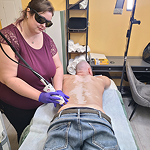
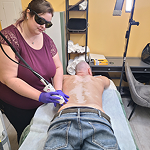
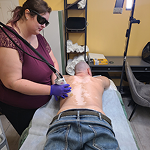
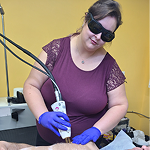
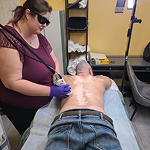
  • You’ll wear protective eyewear to shield your eyes from the laser.
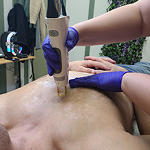
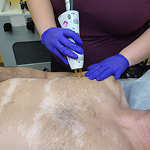
  • The laser device is moved over the areas affected by redness or apparent blood vessels.
  • You may feel brief sensations of warmth, snapping, or a rubber-band-like feeling.
  • Cooling may be used during treatment to improve comfort.
  • The procedure typically takes a relatively short time, depending on the area being treated.

After Treatment

  • Some people might experience temporary redness, warmth in the skin, swelling, or a bit of sensitivity may occur and that usually settles as your skin recovers over time.
  • Your provider will give you aftercare instructions to protect and soothe your skin.
  • You may be advised to avoid excessive heat and sun exposure for a period after treatment.
  • Results can develop slowly, and multiple sessions may be recommended.
  • Laser treatment can decrease the level of redness.

How Many Treatments May Be Needed?

Usually, laser treatment for facial redness requires around 3 to 5 sessions with a gap of 4 to 6 weeks. But the number of sessions depends on your skin type, treatment area, goals, the treatment required, and how your skin responds. 

A consultation before the treatment will give you a clear idea of how many sessions are required and which would be the ideal treatment after assessing the skin condition.

Who is a good candidate for laser rosacea treatment?

People with constant redness or noticeable blood vessels may be ideal candidates for laser treatment. A qualified dermatologist or laser professional should assess your skin, rosacea symptoms, and medical history before recommending treatment. You should choose a professional provider like Shey’s Laser & Esthetics for your treatment. 

Rosacea Treatment Aftercare

Proper aftercare is super crucial following rosacea treatment, especially after laser or light-based procedures. Your skin may be temporarily sensitive, so keeping your routine simple and gentle can help support the healing process and reduce irritation.

Immediately After Treatment

  • Follow the specific aftercare instructions provided by the dermatologist or laser professional.
  • Keep your skincare routine gentle and avoid rubbing, scrubbing, or picking at treated areas.
  • Use a mild cleanser and a soothing, fragrance-free moisturizer.
  • Apply a broad-spectrum SPF 30 or higher every morning and limit direct sun exposure.
  • Avoid excessive heat, including hot showers, saunas, steam rooms, and strenuous exercise, if your provider recommends avoiding them during recovery.
  • Avoid introducing new or potentially irritating skincare products until your skin has settled.
  • Contact your healthcare provider if you experience severe pain, blistering, significant swelling, or other unexpected reactions.

    Daily Morning Routine

  • Gentle cleanser: Wash with lukewarm water and a fragrance-free, non-foaming or low-foaming cleanser.
  • Moisturizer: Apply a simple, fragrance-free moisturizer to help support the skin barrier.
  • Sunscreen: Finish with a broad-spectrum SPF 30 or higher. Mineral sunscreens containing zinc oxide or titanium dioxide may be easier for some sensitive skin types to tolerate.
  • Makeup: If your skin has recovered and you have completed the aftercare as guided by the professional, choose fragrance-free, non-irritating products and apply them gently.
Daily Evening Routine

Daily Evening Routine

  1. Treatment products: Only use prescription or active treatments as directed by your healthcare professional.
  2. Keep it simple: Avoid layering multiple active ingredients while your skin is recovering.

Ingredients That May Be Helpful

Look for gentle formulations containing ingredients such as:

  • Ceramides – help support the skin barrier.
  • Glycerin – helps attract and retain moisture.
  • Hyaluronic acid – provides hydration and can help reduce dryness.
  • Niacinamide – may support the skin barrier, although higher concentrations can cause side effects like irritation in some people.
  • Azelaic acid – can help with certain rosacea symptoms, but it should be introduced only when your skin has recovered and according to your healthcare provider’s advice.

Ingredients to Avoid or Use With Caution

Some ingredients and products may irritate skin, probably immediately after treatment, so you should avoid or use those ingredients with proper guidance.

  • Fragrance and parfum
  • Essential oils
  • Denatured alcohol or alcohol-heavy formulas
  • Physical scrubs and abrasive exfoliants
  • Strong acids, such as high-strength glycolic or salicylic acid
  • Retinoids, unless recommended by your healthcare professional
  • Benzoyl peroxide, which can be drying or irritating for some people
  • Menthol, camphor, and eucalyptus
  • Very hot or strongly tingling skincare products

FAQs.

Is laser treatment effective for rosacea?
Laser treatment can help reduce strong facial redness and affected blood vessels associated with rosacea. Results depend on the type of your skin and your symptoms.

No. Laser treatment can improve symptoms, but it does not cure rosacea. Redness and the affected blood vessels may return over time, and maintenance treatments are recommended for long-lasting results.

No. Laser treatment can improve symptoms, but it does not cure rosacea. Redness and the affected blood vessels may return over time, and maintenance treatments are recommended for long-lasting results.

Most people experience the sensation as a brief warmth, snapping, or rubber-band-like feeling. Cooling may be used during treatment to improve comfort.

The laser treatment time is usually 10-15 minutes, but treatment time depends on the size and number of areas being treated. Many facial treatments can be completed relatively quickly, but after evaluation, you can get a more accurate estimate during your consultation. 

Downtime is generally minimal, but temporary redness, warmth, swelling, or sensitivity can occur.

Laser treatment can significantly reduce the appearance of certain blood vessels, also known as telangiectasia. However, results vary, and new vessels may develop in the future.

Some improvement may be noticeable after the first treatment, but results often develop slowly. Multiple sessions may be recommended as per your goal and skin type, with treatments spaced according to your provider’s advice.